
Linux para todos os rolês ("Linux for every outing") is a catalog of goals for a computer, the rolês, and bora, a terminal tool that takes the computer to the chosen rolê with tested recipes. Every recipe knows how to check, apply, test and undo what it changes. It works on Ubuntu 24.04 and 26.04, Debian 13 and Ubuntu derivatives such as Linux Mint, Pop!_OS and Zorin OS. The project, the tool and its texts are in Brazilian Portuguese.
Why it exists

I used to keep a set of installation and setup guides: for Arch, Ubuntu LTS and Fedora, and for the fussier things, like DaVinci Resolve and the NVIDIA drivers. In July 2026 some of them became the project's repository, written for beginners, explaining what each step did, why, how to check it and how to undo it.
But asking Claude or ChatGPT became faster than keeping my own guides up to date. A few times I even let an AI agent do the setup on its own, and the first time I saw a distribution do that was Omarchy. So guides were no longer useful.
Then I noticed something else. Many people who are new to Linux came to depend on AI and stopped learning how to control their own machines. And very few know how to ask an AI in an efficient way that avoids hallucinations (the made-up answer, given with all the confidence in the world).
On November 4 the project started over from scratch to sit in the middle: a tool that applies tested guides, builds the right question about the asker's own machine, and serves as a harness that lets an AI agent set up the machine directly, but safely.
And everything is organized by rolês. A rolê (Brazilian slang for going out somewhere) is a goal for the computer, said in plain words: "ready to study and work", "new life for an old machine", "the household shared folder".
What it does
bora shows the rolês that fit the machine, asks its questions, shows the plan and applies it, with a system snapshot first. Don't like it? sudo bora desfazer undoes it. There are five rolês today:
- Ready to study and work: an updated system, firewall, codecs, Flatpak, a system snapshot and a backup of the home folder to an external disk.
- New life for an old machine: compressed memory (zram), a light desktop next to the current one, a leaner Firefox and the services the machine doesn't use turned off.
- Start programming: Git with an SSH key, build tools, containers with Podman and, depending on the profile, Python or Node.js.
- Vibecoding: the AI agents you choose, API keys in a file only you can read, secret scanning on every commit, a sandbox and, if you want, an AI model running on the computer itself.
- Household shared folder: a folder the other computers and phones in the house open over Samba, on the local network only. This one is still in testing.
There are three ways to use it. Through the menus, with just bora. Through the ready-made question: stuck, bora ajuda builds a text with the diagnosis, the step and the error to paste into any AI chat. Or through an AI agent in the terminal, which reads bora's skill and writes the plan. In all of them, bora does the work, only with recipes from the catalog, and you type the administrator password. AI helps but is never required: bora works with no account, no credit card and no AI.
Tested for real
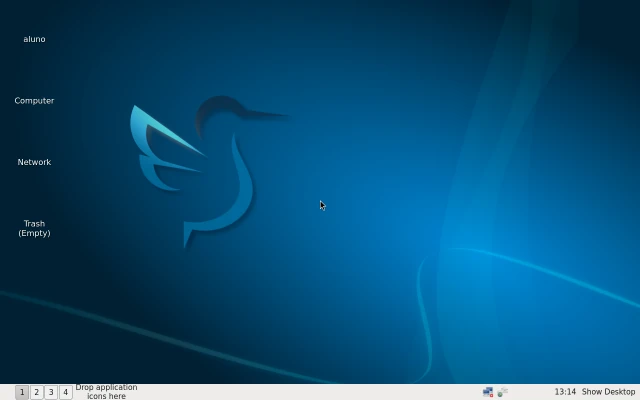
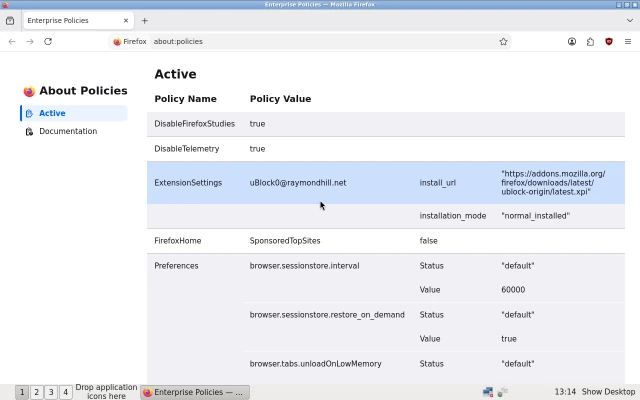
A "tested" rolê means that, every week, each recipe is applied, checked and undone on virtual machines running Ubuntu 24.04, Ubuntu 26.04 and Debian 13. One of them has a login screen: it logs into the light desktop, opens Firefox and takes a screenshot at each step. On every pull request, the recipes also run in containers.
How it was made
I design, specify, plan and review the project, and Claude, Anthropic's AI, writes the code. bora is a single file, written in Rust, with the recipes built in. The recipes are in bash, the language of people who run Linux, and each one has a README that explains what it does, why, what it changes in the system, how to check it and how to undo it. No recipe opens a port to the internet (access from outside goes only through a VPN), and packages come only from the distribution's repositories and Flathub.
Version 0.1.0 came out on the day of the restart, and 0.6.0, with the first four rolês tested, on November 9, 2026. Next come the rolês for the household's movies and shows (Jellyfin) and for reaching the house from outside without opening ports (Tailscale), then Fedora and, later, Arch and Fedora's immutable editions. 32-bit machines, NixOS and SteamOS are left out.
Everything is under the 0BSD license, which in practice is public domain: copy it, change it and use it as you like (and no demons summoned in GRUB).